New articles cover behavioral prep, system design, and how to use AI for interview practice. Browse by category or read the latest below.

They lowballed you. Maybe not egregiously, but definitely not their best. You’ve just spent months grinding LeetCode, optimizing your resume, and acing a g

I once watched a brilliant engineer, someone I deeply respected, completely freeze when asked to describe a hash map's collision resolution.

That feeling when you nail a frontend interview, where the conversation flows, and you actually enjoy solving a coding challenge? It's rare.

You just wrapped up your system design interview. You laid out a scalable architecture, discussed trade-offs, and feel pretty good.

You know the drill. That email hits your inbox: "We'd love to chat about our Senior AI Engineer role." Your stomach does a flip. Great, another loop.

You just landed that Kaiser Tech interview for a senior Java/Spring Boot role, huh? Awesome.

Your buddy just got an offer from Google, but it wasn't the typical LeetCode grind.

You just spent 45 minutes drawing boxes and arrows, only to hear, "Thanks for your time, we'll be in touch." You walk out knowing you bombed.

You just got that email – "We'd like to schedule a technical interview." Awesome. But here's the kicker: it's for a senior Java backend role, and you know

You know the drill. You get that email from a recruiter, "Exciting opportunity! Senior Staff Engineer...

You just got that email – "We'd like to invite you for a Senior Software Engineer interview loop.

Look, Atlassian isn't like every other FAANG-adjacent shop. You've heard the stories: Google's obsession with optimal algorithms, Amazon's distributed syst

Remember that System Design interview where the interviewer kept pushing on a specific scaling bottleneck you hadn't even considered? You felt the sweat st
You’ve bombed enough real interviews to know the sting. That moment when the System Design question about scaling a distributed cache for a billion users h
You know that feeling when you're crushing a JavaScript interview, then the interviewer hits you with a question about event loop phases or a tricky this b

You just landed that interview at (insert your dream company here). Awesome. Now the panic sets in: "JavaScript interview prep, again?" You've probably alr

That sinking feeling when you nail the backend design, crush the database schema, then freeze on a React lifecycle hook? Yeah, I've been there.
You know that feeling: you're in a coding interview, the interviewer drops a seemingly simple Leetcode problem like "reverse words in a string," and your b
You’re staring at LeetCode problem 151, "Reverse Words in a String." Sounds easy, right? Just flip the words.

You know that feeling. The email lands, "Congratulations! We'd love to schedule your onsite." Then the cold dread sets in.
You just bombed the Google interview. Or maybe you aced the first round but stumbled on the second.

You know that feeling. You've just spent 45 minutes whiteboarding a dynamic programming solution, you're pretty sure it works, but the interviewer's poker

You're staring at an offer from a company you really want, and the final interview loop for their DevOps or SRE role just landed in your inbox.

Remember that FAANG loop I bombed a few years back? The one where I spent three months grinding LeetCode, felt great about my data structures, then choked

You know that feeling, right? Staring at a new job posting, heart thumping, already thinking about the tech interview gauntlet.

That Accenture intern interview? Yeah, it's not just another coding challenge. I've seen too many brilliant engineers bomb because they treated it like a p

You just got the email: "We'd like to invite you for an Engineering Manager interview loop." Your stomach drops a little.

The single biggest failure point I see in coding interviews isn't incorrect algorithms or off-by-one errors. It's silence.

You just nailed the optimal solution to the "find all unique triplets that sum to zero" problem on the whiteboard.

You've just landed a system design interview for a Senior Staff role at a company you really want. Panic sets in.

You’ve probably seen the LinkedIn posts—someone just landed a Staff Engineer role at Google. They'll tell you to "stay positive" and "trust the process.
You’ve probably seen the "100 LeetCode problems in 10 days" posts. Honestly, that’s a great way to burn out and still bomb the actual backend interview que

You just spent three hours grinding LeetCode Mediums. Good for you. Now tell me, how exactly does that maxsubarraysum problem help you debug a 500ms latenc

You've probably heard the horror stories: a system design interview where the interviewer just stares, offers no hints, and expects you to magically pull a

You're grinding through TypeScript interview prep, probably staring at a LeetCode problem or a simulated coding challenge, and then it hits you: "Should I

You've built it, deployed it, and now your API is getting hammered. Maybe it's a sudden traffic spike, or maybe marketing actually did their job for once.
![From [X] to Code: Transitioning to Software Engineering.](/_next/image?url=https%3A%2F%2Fwww.preplyer.com%2Fapi%2Fblog-hero%2Ffrom-x-to-code-your-software-engineering-transition-1790298222115.png&w=3840&q=75)
So, you’re thinking about making the career transition into software engineering. Good. That’s probably why you clicked on this.

You've landed that Senior Staff Software Engineer interview, congrats. Now comes the hard part: the software design interviews.

You just landed your first "real" software engineering job, or maybe you're still in school, dreaming of FAANG.

You just crushed the final interview loop at a company you actually want to work for—maybe it's Google, maybe it's a hot Series C startup, doesn't matter.

You've just been handed a bug report: "Product search is dog slow, even for common terms.

You’ve got a Python backend interview scheduled, and you’re probably wondering how to actually answer those questions, not just parrot back definitions.

Your coding interviews just got harder, not easier, with AI. That's my blunt assessment after watching the interview circuit shift.

You've just stared at the whiteboard, heart thumping, brain doing its best impression of a dial-up modem circa '98.

You know that moment in a system design interview when the interviewer leans back, a glint in their eye, and asks, "Okay, so how many servers do you need f

You're in a system design interview, whiteboard marker in hand, and the interviewer just dropped the classic: "Okay, so how many servers do we need for thi

You know that new OpenAI/Anthropic system design interview prep book everyone's buzzing about? Yeah, I've seen it.
That gut-wrenching feeling after bombing an interview, when you just know you could've nailed it? Yeah, I've been there. Multiple times.

You’re in a system design interview, and the interviewer says, "Design a URL shortener.
You’ve got a phone screen for that staff engineer role next week, and it's 9 AM. You're probably staring at a LeetCode problem, wondering if that esoteric
You've probably just opened another LeetCode problem, stared at it for five minutes, then switched tabs to Reddit. I get it.
You’re deep in React interview prep, grinding LeetCode, explaining useEffect dependency arrays for the hundredth time.

So, you landed the ML job. Congrats! That offer letter feels amazing, but now the real work begins: not just showing up, but actually nailing your first 90

You just spent a week grinding LeetCode mediums, brushed up on your Python, and maybe even built a tiny Airflow DAG. Great.

You just got past the recruiter screen, and now you’re staring down the barrel of a FAANG system design interview. Panic sets in.

You just got that email, didn't you? The one from a recruiter at Google, Amazon, Apple, Netflix, or Meta.

You just finished a coding challenge, pretty standard stuff – tree traversal, maybe a dynamic programming twist.

That feeling of hitting "submit" on an application, then seeing the dreaded automated email about a coding challenge.

You've probably heard the whispers, maybe even felt the cold dread: LeetCode. It’s the gatekeeper, the gauntlet, the thing that separates "senior engineer"

That feeling when the interviewer asks, "Design Twitter," and your mind goes blank, then immediately starts spewing out Kafka, Kubernetes, and Cassandra li
Your shiny new API just launched, and you’re already hearing chirps about slow responses from your biggest customer. The P99 latencies are creeping up.

You've been coding Java for years, shipped critical features, maybe even mentored a junior or two.

That mid-career itch is real. You've been in marketing, finance, or maybe even plumbing for years, and now you're thinking, "Software engineering.

You've probably seen the standard advice for data engineering interview prep: grind LeetCode, learn SQL, understand distributed systems.
You've probably seen the LinkedIn posts. The ones where someone "crushed" their FAANG interview after "grinding LeetCode for 6 months.

You just nailed the system design for that distributed cache, but then they hit you with a basic React question. "Explain useEffect.

You just landed an interview for that Staff Software Engineer role at Google. Awesome.

That moment you open an email and see "offer letter attached" – it's a rush. You probably worked your ass off through behavioral rounds, systems design whi

You're grinding LeetCode, watching system design videos, and maybe even sketching out behavioral answers.

You've just been handed a problem description for a coding interview. It’s a classic graph traversal, maybe finding the shortest path in a weighted grid.

Look, HackerRank AI interviews aren't some distant sci-fi dystopia anymore; they're here, and they're how a lot of companies, especially the big ones, filt
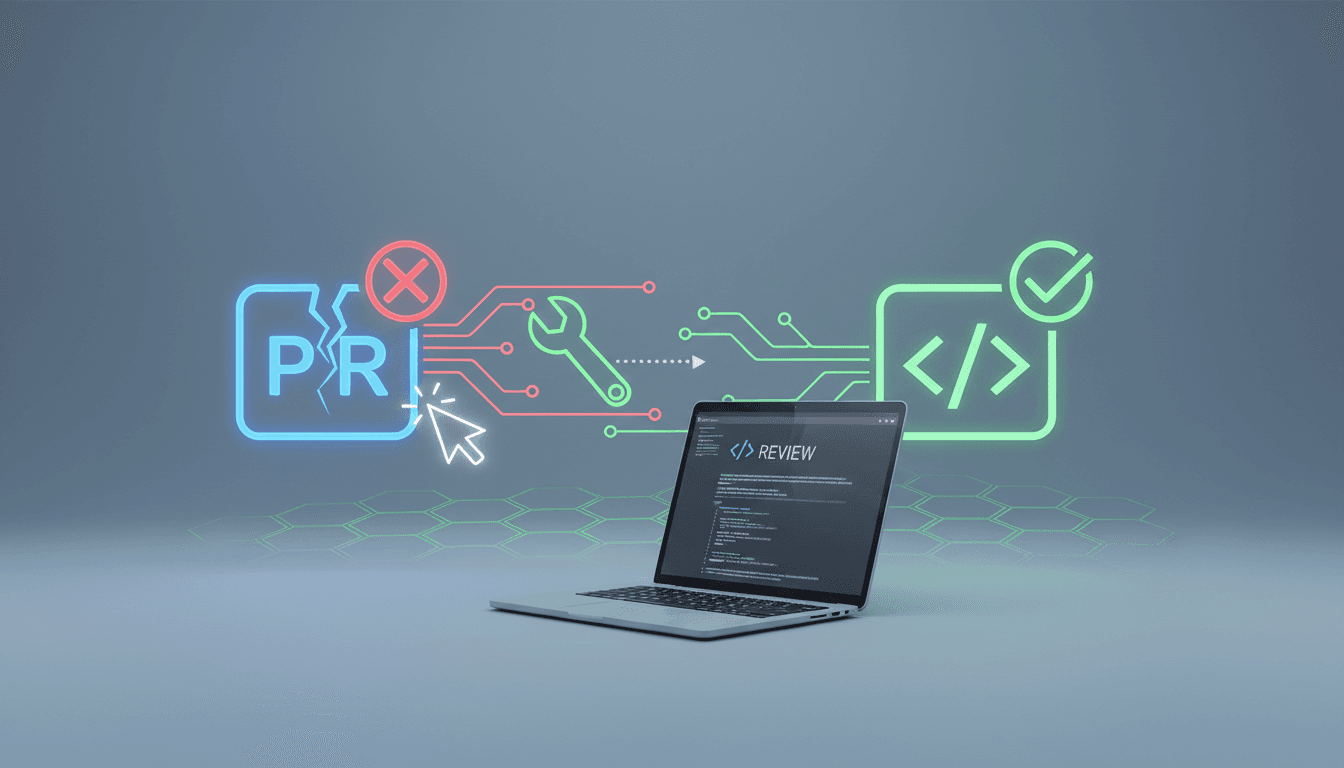
You're staring at a pull request, five files changed, 200 lines added, and it just… doesn't quite work.

Remember that feeling when you're staring at a LeetCode medium, the timer ticking down, and your brain just… freezes? Yeah, I've been there.

You've probably seen the LinkedIn posts. Everyone's a GenAI expert now, slinging around "LLM" and "vector database" like they invented them.

Remember that time you spent a week memorizing every obscure BERT variant, only to be asked about prompt engineering fundamentals in the actual interview?

Okay, so your dream company just pinged you for a Staff AI Engineer role. You've been building cool stuff with GenAI for a while, but now you're staring at

You just got that email – “We’d like to schedule your first interview for the GenAI Engineer role.” Great. Now the panic sets in.

You've got a React interview coming up in early 2026, and you just asked me for the straight goods on what to focus on.

You’ve got that FAANG system design interview coming up, and you're sweating the Twitter-style question.
You've just been handed a laptop. The interviewer says, "Here's a bug. Fix it." Your heart rate spikes.

You just aced the coding challenge. Your system design was solid, even elegant. Then comes the behavioral round: "Tell me about a time you failed.
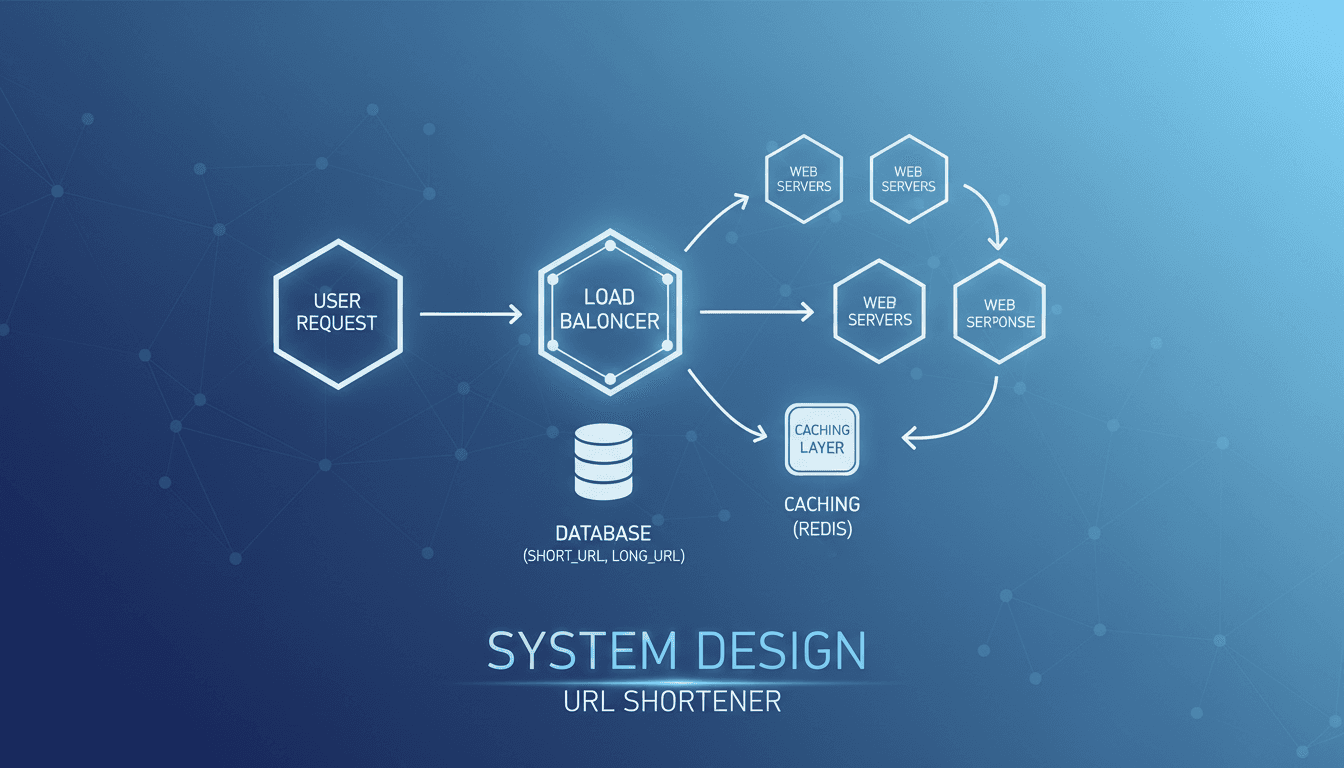
You're going to build a URL shortener. No, not because it's the most exciting system in the world, but because it's an absolute workhorse for system design

You're sweating a little, aren't you? That "design a URL shortener" question just landed in your inbox for your upcoming system design interview.

You’re staring at that interview invite, and for a split second, you feel great. Then it hits you: "What if they hit me with an AI agent design problem?" I

That time I bombed a Google ML interview? It wasn't the algorithms; I knew my XGBoost from my AdaBoost. It was the "why.

You just crushed that systems

You just nailed the coding challenge. Your resume got you past the automated filters. Now the real fun starts: system design interviews.
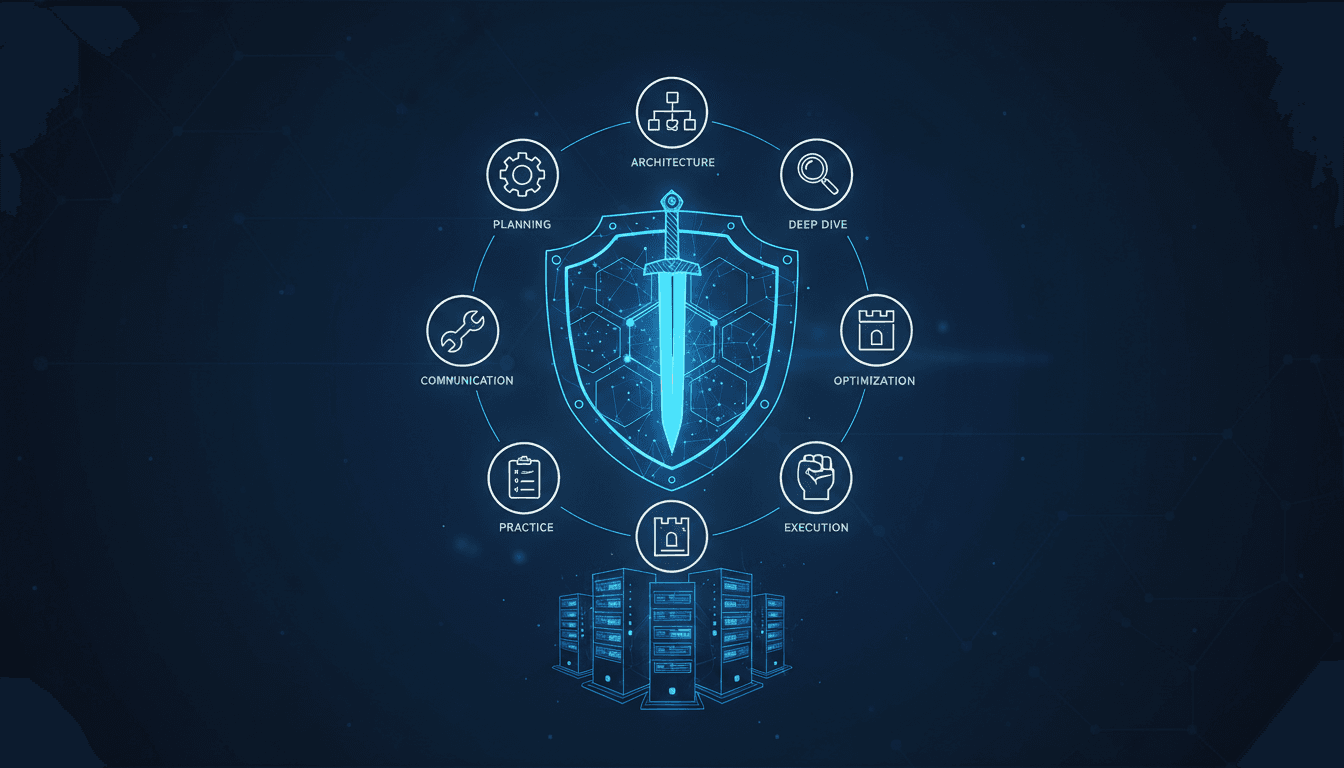
You’ve probably felt it—that gut punch when a system design interview goes sideways.

You just crushed the system design interview, whiteboarded a perfect O(N log N) solution, and your brain is buzzing.

You’re a Java developer, and you just got that interview invite for a killer role. Awesome.

You're a data engineer, right? You've wrangled terabytes of data, built pipelines that hum, and probably fixed more "minor" production incidents before you

You just got that email. The one with the "We're impressed" line, asking you to schedule your first phone screen with Google, or Amazon, or Meta.

You know that feeling? Staring at a HackerRank problem, brain dead at 10 PM, thinking, "Is this really how I get my next job?" I've been there.

"So, I'm thinking of switching from backend Java dev to a data scientist role," you told me over coffee last week, "but I'm completely lost on interview pr

You’ve probably seen the whiteboard. The one where some architect draws boxes and arrows, talks about Kafka and sharding, and everyone nods sagely.

Your API just got slashdotted. Or maybe it's Black Friday. Perhaps your boss decided to run that big TV ad campaign today.

Someone on my team, let’s call him Alex, hit me up last week about system design prep.

You're a brilliant engineer. You optimized that microservice's cold start from 800ms to 50ms, or you shipped a feature that scaled to millions of users in

You walk into the system design interview, ready to impress. You've memorized all the buzzwords: sharding, eventual consistency, consistent hashing.

Remember that time you spent three hours debugging a "simple" S3 permissions issue, only to find a typo in an IAM policy? Or the panic when a production RD
